Featured
Table of Contents
If a project hasn't created a conversion after spending 2-3x your target Certified public accountant, automation needs to minimize budget or pause it entirely. Develop in appropriate lookback windowsdon't judge a project's efficiency based on a single bad day.
Tailor your guidelines to match project intent. Your automation has clear instructions for every circumstance it may come across.
You've developed the foundationaccurate tracking, strong attribution, clear rules. Time to link everything and let automation start making decisions. Begin by integrating your ad platforms with your attribution and automation system. Many modern-day attribution platforms provide native integrations with Meta, Google, TikTok, and other major advertisement networks. These combinations enable the system to both pull efficiency information and push budget change commands back to your advertisement accounts.
Set up conversion sync to feed accurate information back to platform algorithms. This is where server-side tracking pays additional dividends. When you send out enriched conversion events back to Meta or Googleevents that consist of real income, customer life time worth signals, and complete attribution datayou improve how those platforms' native algorithms enhance within your projects.
Generating Targeted Leads Via Advanced PPC
If Meta's algorithm only sees partial conversion data because of iOS constraints, it enhances based on incomplete information. When you sync complete server-side conversion information back to Meta, you're essentially teaching its algorithm what an important conversion really looks like. This enhances both manual and automated campaign performance. Understanding advertisement platform algorithm optimization methods assists you maximize this advantage.
Equate your documented rules into these condition-action sets. Even if you're positive in your setup, begin with lower spending plan change percentages and longer examination windows than you might eventually use.
Enable automation for a subset of your projects. Let automation handle those while you continue manually managing more recent or more unstable campaigns.
When the system makes its first budget increase or decrease, confirm that the decision makes sense based upon the information. Inspect that the performance metrics setting off the action are precise. Validate that the budget change in fact carried out in the advertisement platform. These early checks capture combination concerns or rule misconfigurations before they intensify.
How AI-Driven Analytics Refine SEM Outcomes
You can see the decision trailthis project crossed the threshold, so automation increased the budget plan by this amount. The modifications perform successfully in your ad platforms without manual intervention. You're no longer the traffic jam in your own optimization procedure. Automation doesn't indicate "set it and forget it." It indicates "set it and enhance it." The most successful automated optimization systems develop continuously based on real-world outcomes.
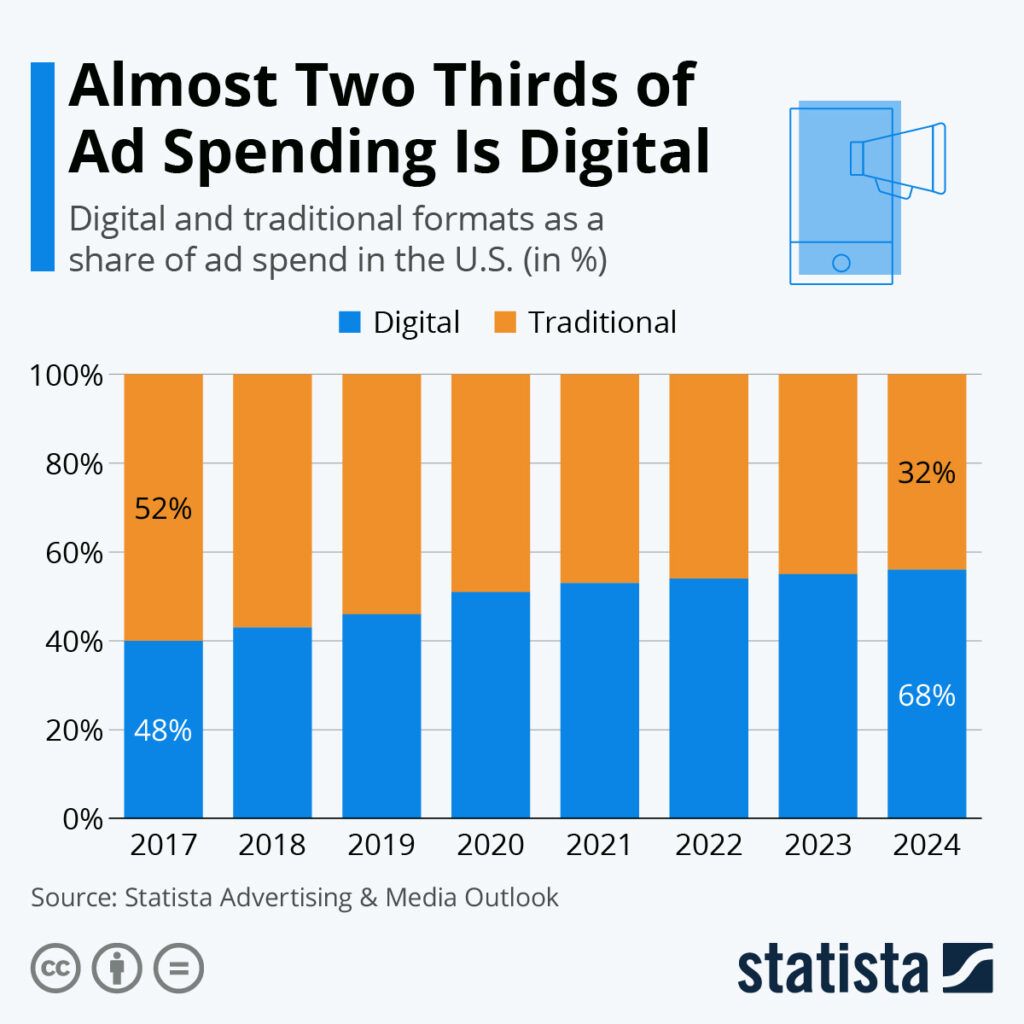
At first, inspect automated choices daily. Evaluation what actions the system took, confirm they align with actual performance, and search for any unforeseen patterns. As your confidence builds and the system shows trusted, you can shift to weekly reviews. Implementing best practices for real-time marketing optimization ensures you catch concerns rapidly.
Before automation, what was your average ROAS across all projects? What was your common time invested in budget management every week? Now that automation is active, are those metrics improving? The goal isn't just to conserve timeit's to accomplish better outcomes while conserving time. Many online marketers find that automated optimization determines scaling chances they would have missed by hand.
Automation captures those chances since it's constantly evaluating every project versus your efficiency thresholds. Refine your thresholds and guidelines based on real-world results. Perhaps you discover that your 4x ROAS threshold is too conservativecampaigns regularly keep performance even when scaled at 3.5 x ROAS. Or possibly you discover that 20% budget increases are too timid for your winners, and you can safely scale by 40% without disrupting efficiency.
Future-Proofing Your Insurance Ppc That Gets Results for 2026 TrendsEnjoy for seasonal patterns or external aspects that impact automation performance. Throughout high-intent periods like Black Friday, your conversion rates might surge, setting off aggressive scaling. Throughout sluggish periods, conversion rates might dip, causing automation to draw back spending plans. Understanding these patterns helps you adjust guidelines seasonally rather than combating against natural business cycles.
How to Scale Investment to Drive Success
Broaden automation gradually to additional projects and platforms. Once your preliminary test campaigns reveal constant improvement under automation, roll it out to similar campaign types. Eventually, you may automate spending plan allowance throughout your whole paid media mixletting the system shift dollars from underperforming Google projects to winning Meta projects based on cross-platform attribution data.
Keep notes on which guidelines work best for various project types. This institutional knowledge becomes vital as you scale automation or as new group members join.
You're capturing and scaling winning campaigns much faster than you could manually. You're cutting losses on underperformers before they drain substantial budget. The system manages regular optimization choices, releasing you to concentrate on creative technique, audience research study, and high-level planning. Setting up automated advertisement spend optimization isn't a one-day projectit's an organized procedure that develops on accurate information and clear choice rules.
You stop responding to the other day's performance and start proactively scaling what works. Server-side tracking executed and verifiedyour conversion data matches actual company records3.
Optimization guidelines and limits documentedautomation has clear guidelines for every scenario5. Platforms connected with conversion sync activehigh-quality data flows both ways between your attribution system and advertisement platforms6. Monitoring process establishedyou're examining automated decisions and refining guidelines based upon resultsThe online marketers who succeed with automation are those who purchase the foundation first.
Mastering a Advanced Paid Media Blueprint
Start with one project or platform, show the system works, then expand. Begin where you have the most data and the clearest efficiency patterns. Let success develop confidence, then scale your automation together with your campaigns.
While your competitors are still by hand moving spending plans based on platform control panels, you're enhancing based on complete consumer journey information and actual revenue attribution. That difference compounds in time. Prepared to stop handling ad invest manually and begin letting data drive your decisions? The right attribution foundation makes all the difference between automation that squanders budget and automation that scales winners.
That's why today, we're introducing to offer organizations an easier method to handle their advertisement budgets and make sure optimum results. This tool will be presenting to marketers in the coming months. Utilizing campaign spending plan optimization, marketers can set one main campaign budget plan to optimize across ad sets by distributing budget plan to the top carrying out ad sets in actual time.
With project budget optimization, to get the finest results for their project. In addition to setting an everyday or lifetime campaign budget, companies can set bid caps and spend limits for each ad set. By distributing more of a budget plan to the highest performing ad sets, advertisers can take full advantage of the total value of their project.

Latest Posts
Maximizing Your Ad Spend Efficiency
How to Bridge the Departmental Divide for Faster Development
Scalable Ad Strategies for B2B Growth