Featured
Table of Contents
You can, for that reason, target specific audiences thinking about your product or services. For example, you can advertise fishing equipment before a video with fishing pointers. Investing in programmatic display screen ads increased by 41.2% from 2019 to 2020, according to a case study by eMarketer. This display screen ad type utilizes real-time bidding (RTB) to specifically target market interested in your offerings.
The RTB process includes bidding on ad inventory so you can market your items to a specific type of customer. The highest bidder will win the opportunity to show their ads to their target demographic. Pop-up ads show on top of a user's web browser window, while pop-under ads show under their existing window.
While you require to learn about these types of ads, you don't desire to use them. You'll wish to remain as far from them as possible. This is since they are invasive and harken back to an older age of digital marketing both of which you most likely don't wish to relate to your modern brand.
The Way AEO Redefines PPC
It considers a site's material and keywords to provide individualized user experiences. Someone viewing a fitness site may see a contextual display screen ad about new training shoes.
With the CPC design, you, as the marketer, pay a fixed charge to the advertisement network each time a user clicks your advertisement. This design is especially effective when the objective is to drive direct responses or actions from the audience. On the other hand, the CPM model charges you for every 1000 impressions or views your ad gets, no matter whether the user interacts with the advertisement or not.
As you can see, "show advertisements" encompasses several types of ads each with their own benefits, strategies and drawbacks. The kind of screen advertisements you utilize depends on your usage case and how you desire to target your audience. Nevertheless, you can integrate several ads from the list above into your reliable screen marketing strategies and increase engagement, awareness, and sales.
The terrific thing about native advertising is that they're terrific for trust and show normally greater click through rates (CTR). People don't tend to overlook native advertising like they can do with display advertising, as it feels less invasive and potentially even beneficial.
Maximizing Your Ad Spend Efficiency
You might really like the sound of the recipe and desire to use it, even though it's an advert. Whereas, if you saw a banner advertisement for the same product, you might neglect it altogether. Show ads are fantastic for reach and visibility though, plus they're simpler to purchase, great for retargeting, and you get clear stats on impressions.
If it's deep engagement, education and higher CTR, it might be that native ads are best. Display advertisements run throughout big advertisement networks (like Google Display Network), reaching millions of websites and apps.
That indicates you can follow users who have actually already visited your site, and make certain your brand is leading of mind. CPMs (expense per mille, or thousand impressions) are normally low compared to social or search ads, making it efficient for top-of-funnel campaigns. Even if users don't click, consistent visuals construct familiarity and reliability with time.

Integrating Multi-Channel Advertising
With screen, you can track impressions, clicks, view-through conversions, and assisted conversions. Plus, this integrates with analytics tools for clear ROI tracking. Great question! Because there's no point making your display advertisements unless you're going to track the success of them, and optimize and improve for next time. The initial step is to specify your audience and your campaign goal; whether that's awareness, engagement, or conversions.
Do not forget to utilize the right ad specifications and sizes for the platforms you're working on so your gorgeous creative concepts display as they were planned. After launch, track your efficiency by keeping track of the best metrics in Funnel, such as impressions, CTR, conversions, and spend. And after that finally, create a report that highlights your essential learnings and insights.
The costs amongst different kinds of screen advertisements can vary considerably based upon the complexity, platform, and targeting techniques used. Rich media advertisements, interactive banners, and video advertisements typically come at a greater cost due to their dynamic and engaging nature, requiring more creative and technical resources. In contrast, static banner ads might be more economical, particularly for campaigns focusing on broad reach rather than deep engagement.
Future-Proofing Digital Strategy for AEO
For fixed advertisements, focus on top quality images and clear text. For interactive and video ads, guarantee the user experience is engaging without being intrusive.

For one, positioning all your banner ads yourself offers you a lot of control over how you promote. You can completely vet prospect websites to publish on before you decide if their material matches yours.
If you select such sites thoroughly, your banner ad can be fairly efficient. A small Website that accommodates an extremely particular niche may not have very high traffic, but individuals who do visit are more likely to engage with your ad For instance, If you offer unusual 1930s pinball devices, a well-placed ad on a small antique toy collector website might bring you huge amounts of traffic.
Why AI is the New Requirement for Pay Per Click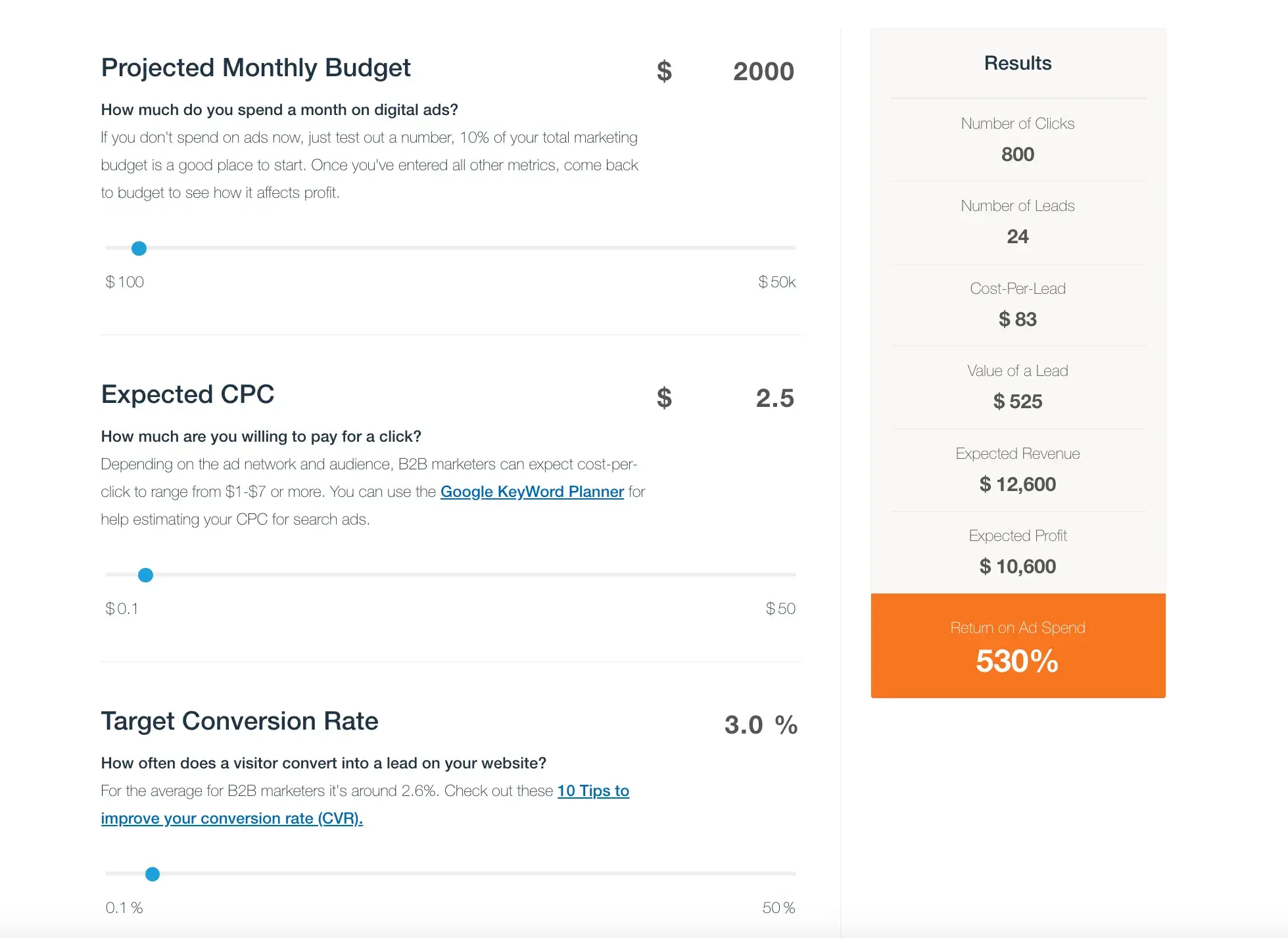
Start by browsing the website to see if they have a page for prospective advertisers. Bigger websites will probably have a set marketing package with a relatively high price tag.
There is a wide disparity in pricing since various Website have different levels of popularity and different sorts of audiences. A site with regularly high traffic will usually charge a lot more than a less popular site. If a site deals with a specific niche, it might cost more than a basic interest website since its marketers can more efficiently target a particular group.
Future-Proofing Digital Strategy for AI Search
Smaller websites might not have even had any marketing plans, which indicates you might be able to exercise an excellent offer with them.
Example of a display screen advertisement. (Not my copywriting.) When I was a brand-new copywriter, I really disliked display screen ads. Probably since it was remarkably difficult to be compelling in simply a few words (but that's sort of the entire objective with copywriting). When more and more screen advertisement project demands came in, I understood I required to figure out how to do them extremely well.

Latest Posts
Turning Ad Clicks Into High-Value Sales
Maximizing Your Ad Spend Efficiency
How to Bridge the Departmental Divide for Faster Development